

Mental Health Disorders
Individualized, evidence-based treatment for adults with complex mental health conditions, including co-occurring substance use disorders.

Evidence-Based Mental Health Treatment Across Pennsylvania
STR Behavioral Health is a Joint Commission-accredited provider of mental health treatment for adults, including those with co-occurring substance use disorders.
Choosing the right program is an important step toward recovery. STR’s clinical team meets each client where they are and adapts care as their needs change.
STR provides continuous, individualized support in a comfortable setting for a wide range of mental health conditions. Wherever clients are in recovery, the team helps them find a path forward.
Mental Health Treatment at STR
Who We Treat
Adults (18+) of all genders
Levels of Care
Medical detoxification, residential treatment, partial hospitalization program (PHP), intensive outpatient program (IOP), supportive housing
Conditions Treated
Anxiety disorders, bipolar disorder, borderline personality disorder (BPD), depressive disorders, obsessive-compulsive disorder (OCD), post-traumatic stress disorder (PTSD), schizophrenia + schizoaffective disorder, trauma + trauma-related conditions, co-occurring substance use disorders
Payments Accepted
Commercial insurance, private pay
Medicare/Medicaid
Not accepted
Treatment Locations Across Pennsylvania
STR Behavioral Health offers mental health treatment at locations across Pennsylvania. Residential programs provide 24/7 support. Outpatient programs offer PHP and IOP with the flexibility to keep up with daily life.
-
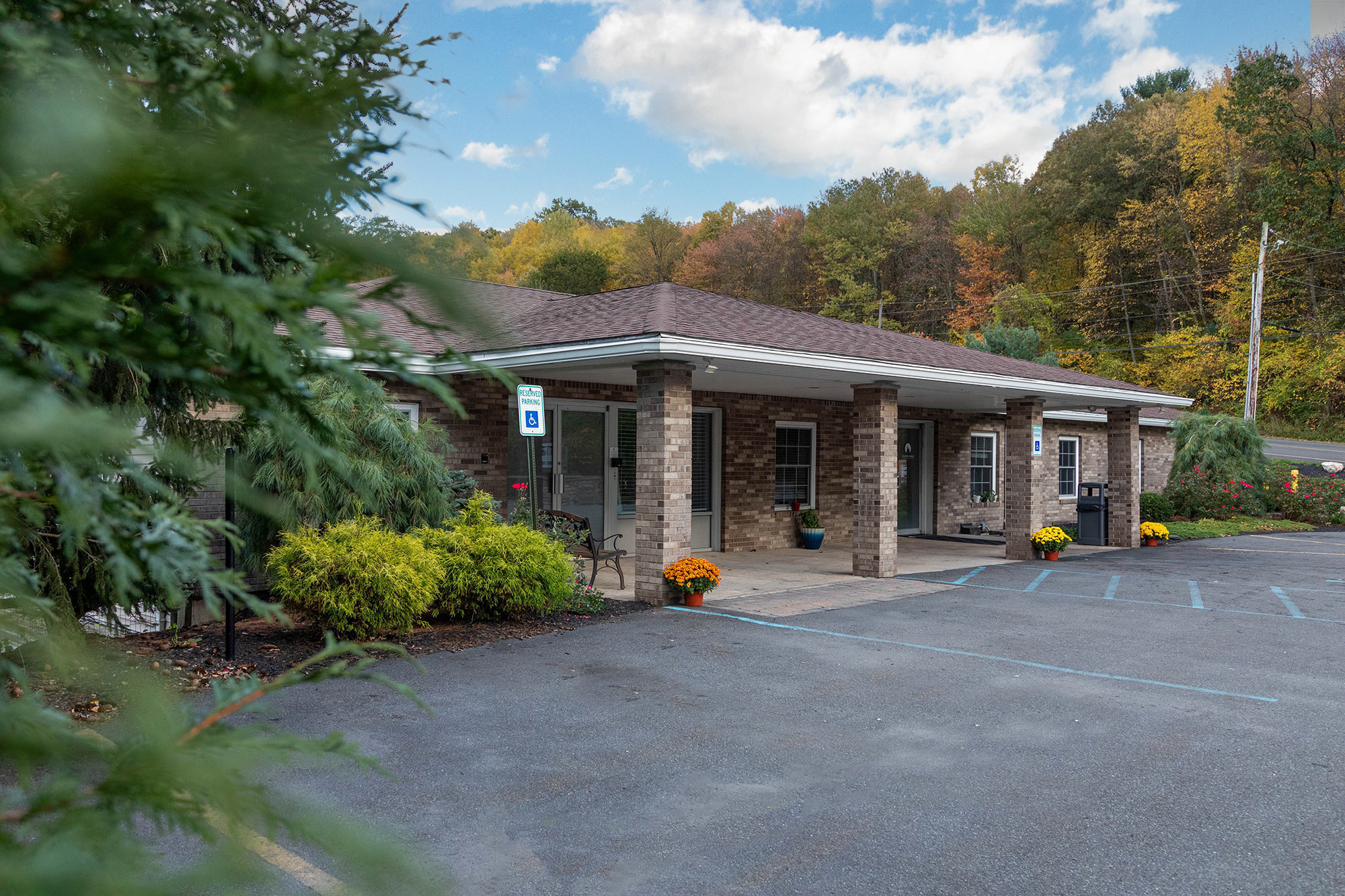
STR Silver Pines
STR Silver Pines provides medical detox and residential treatment for substance use disorders, mental health conditions, and co-occurring disorders in Mahanoy City, Pennsylvania. It offers 24/7 clinical support and the Overwatch program for veterans and first responders.
-
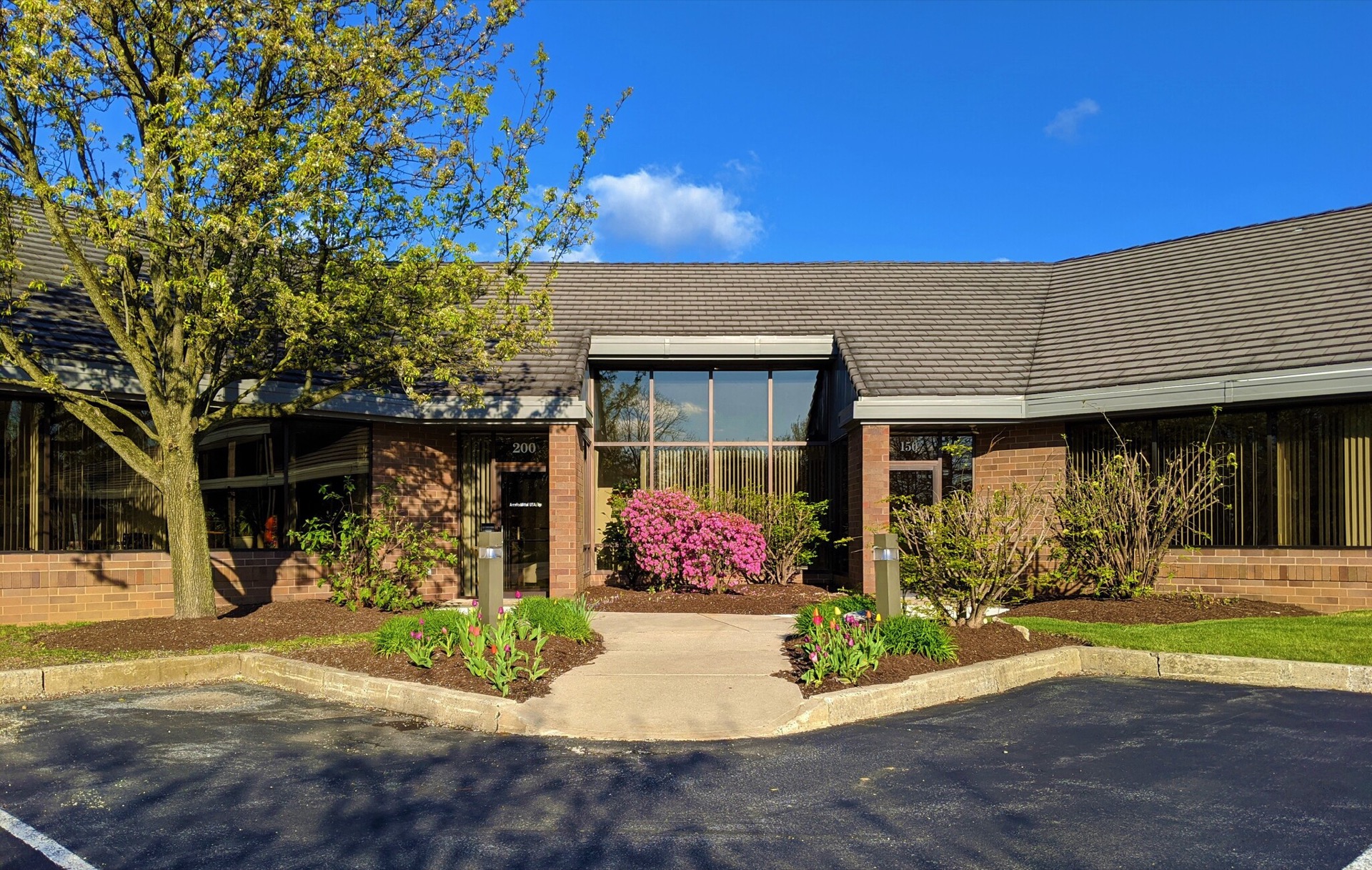
STR Lehigh Valley
STR Lehigh Valley provides PHP and IOP for substance use disorders, mental health conditions, and co-occurring disorders in Bethlehem, Pennsylvania. It offers MAT at every level of care, plus LGBTQIA+-affirming care recognized by the Human Rights Campaign.
-
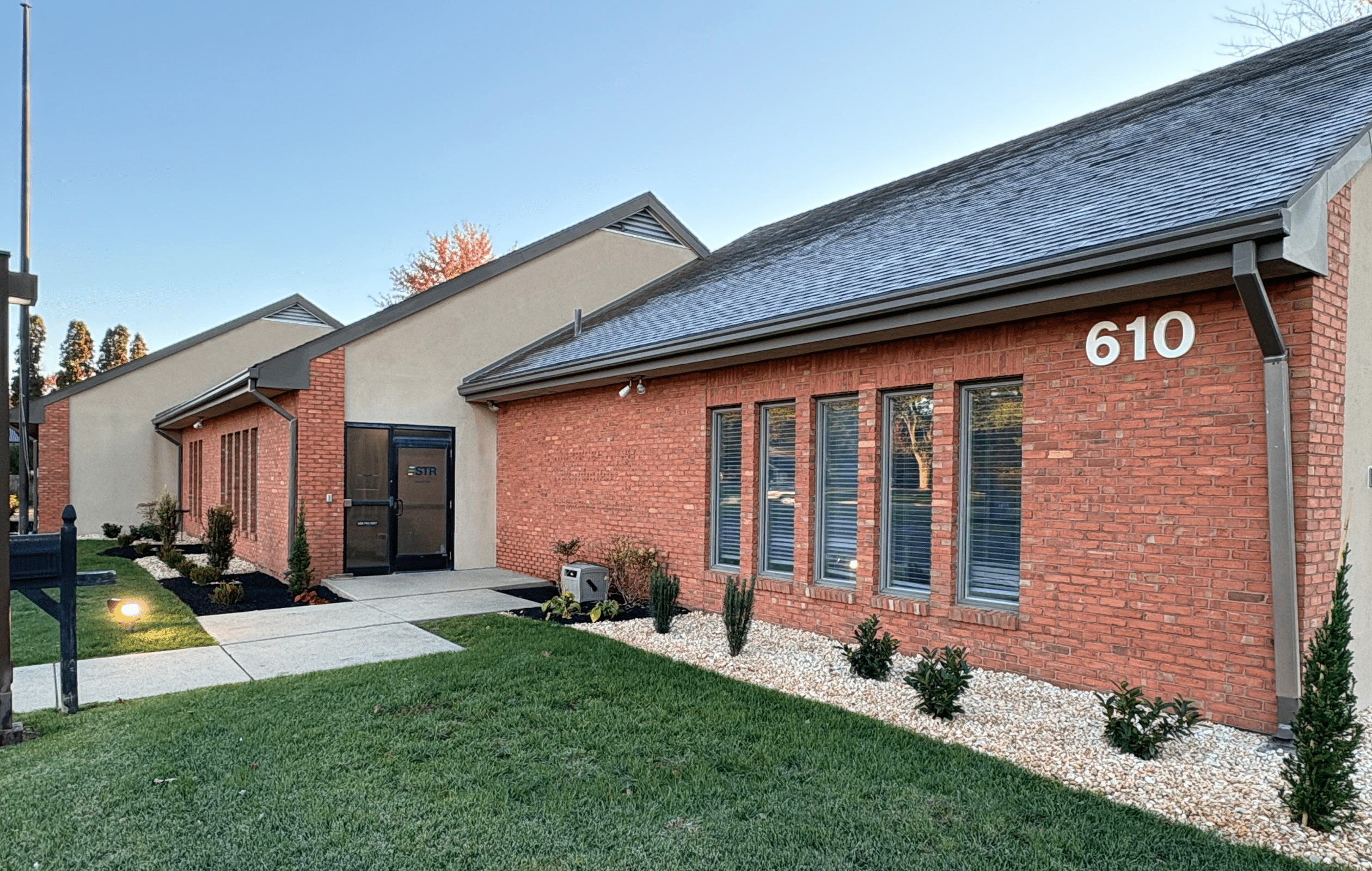
STR Lancaster
STR Lancaster provides PHP and IOP for substance use disorders, mental health conditions, and co-occurring disorders in Lancaster, Pennsylvania. It offers MAT at every level of care, plus a dedicated LGBTQIA+ community support group.
-
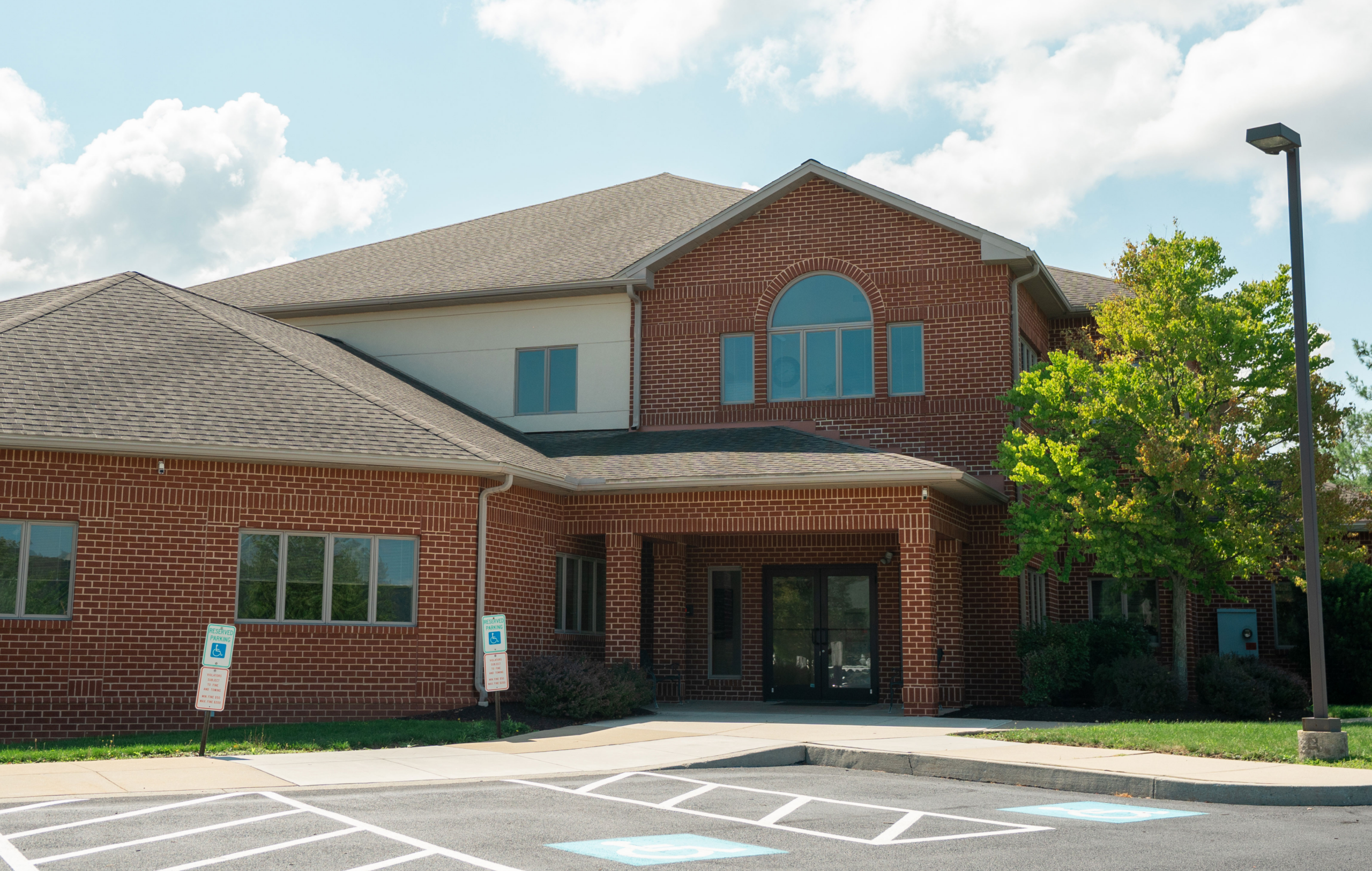
STR Harrisburg
STR Harrisburg will provide PHP and IOP for substance use disorders, mental health conditions, and co-occurring disorders in Harrisburg, Pennsylvania. It will offer MAT at every level of care.
-
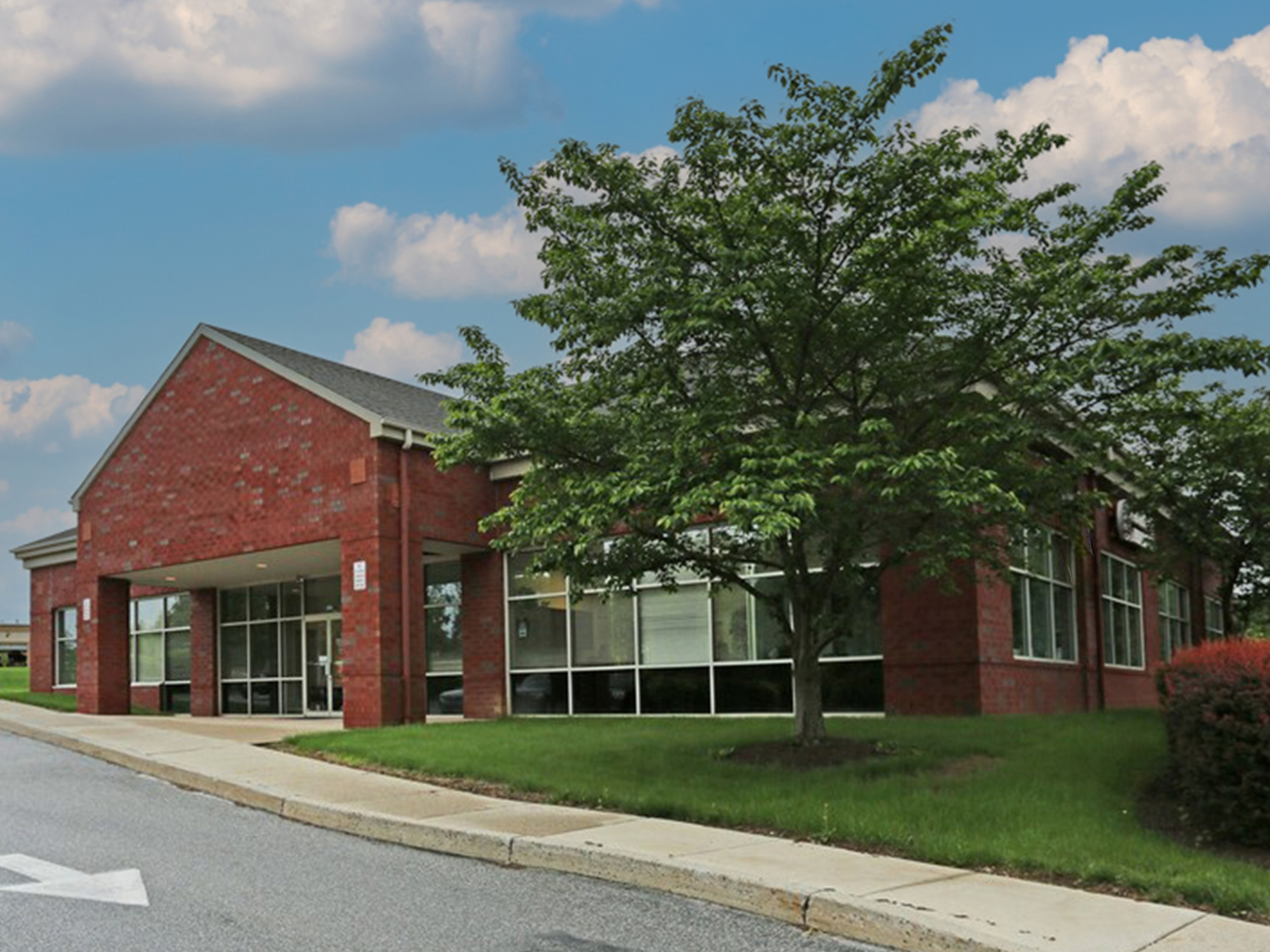
STR Exton
STR Exton will provide PHP and IOP for substance use disorders, mental health conditions, and co-occurring disorders in Exton, Pennsylvania, serving Chester County. It will offer MAT at every level of care.
-
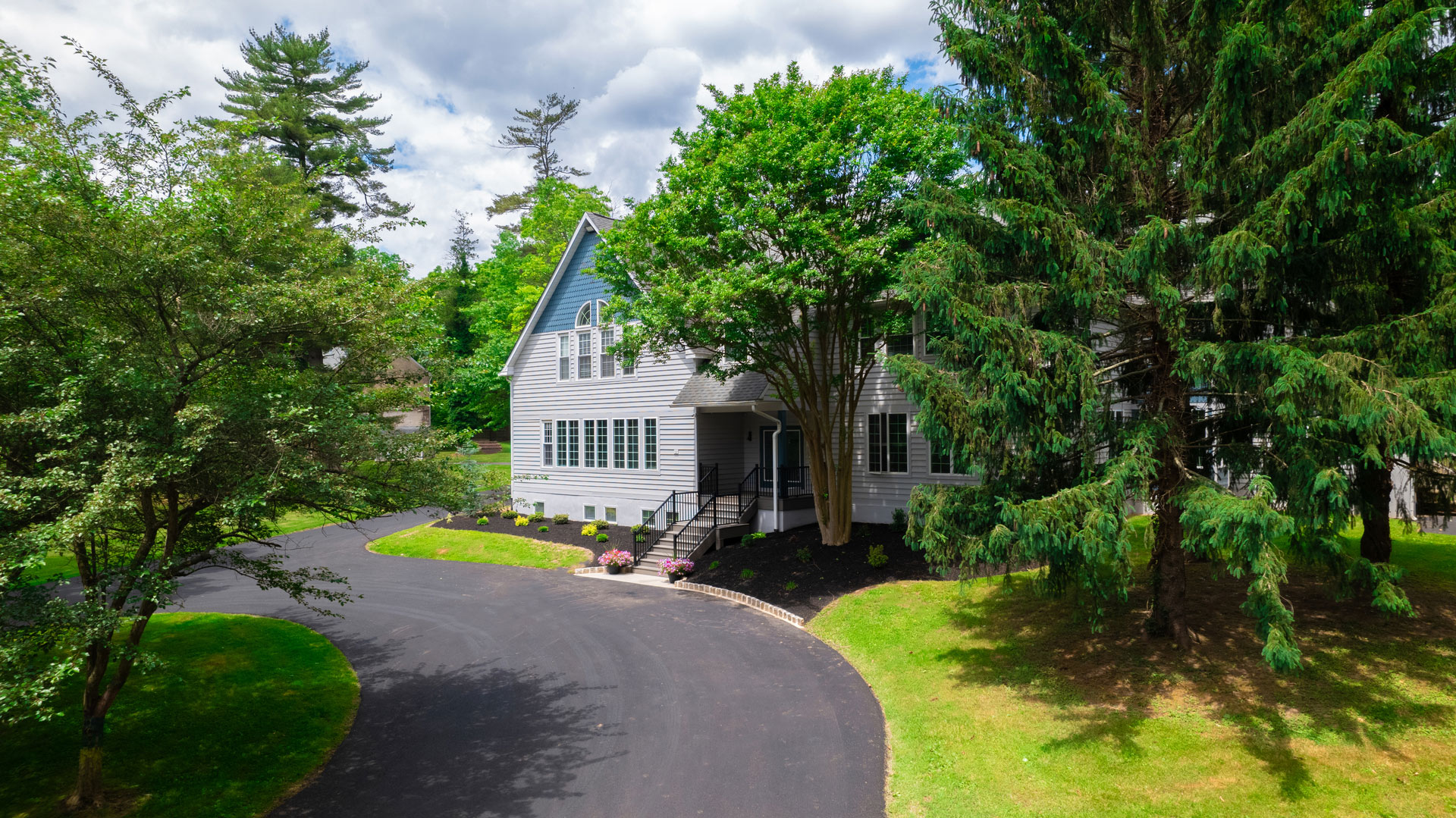
STR Cedar Creek
STR Cedar Creek provides residential treatment for adults with complex mental health conditions and co-occurring disorders in Warminster, Pennsylvania. It offers LGBTQIA+-affirming care recognized by the Human Rights Campaign.
-
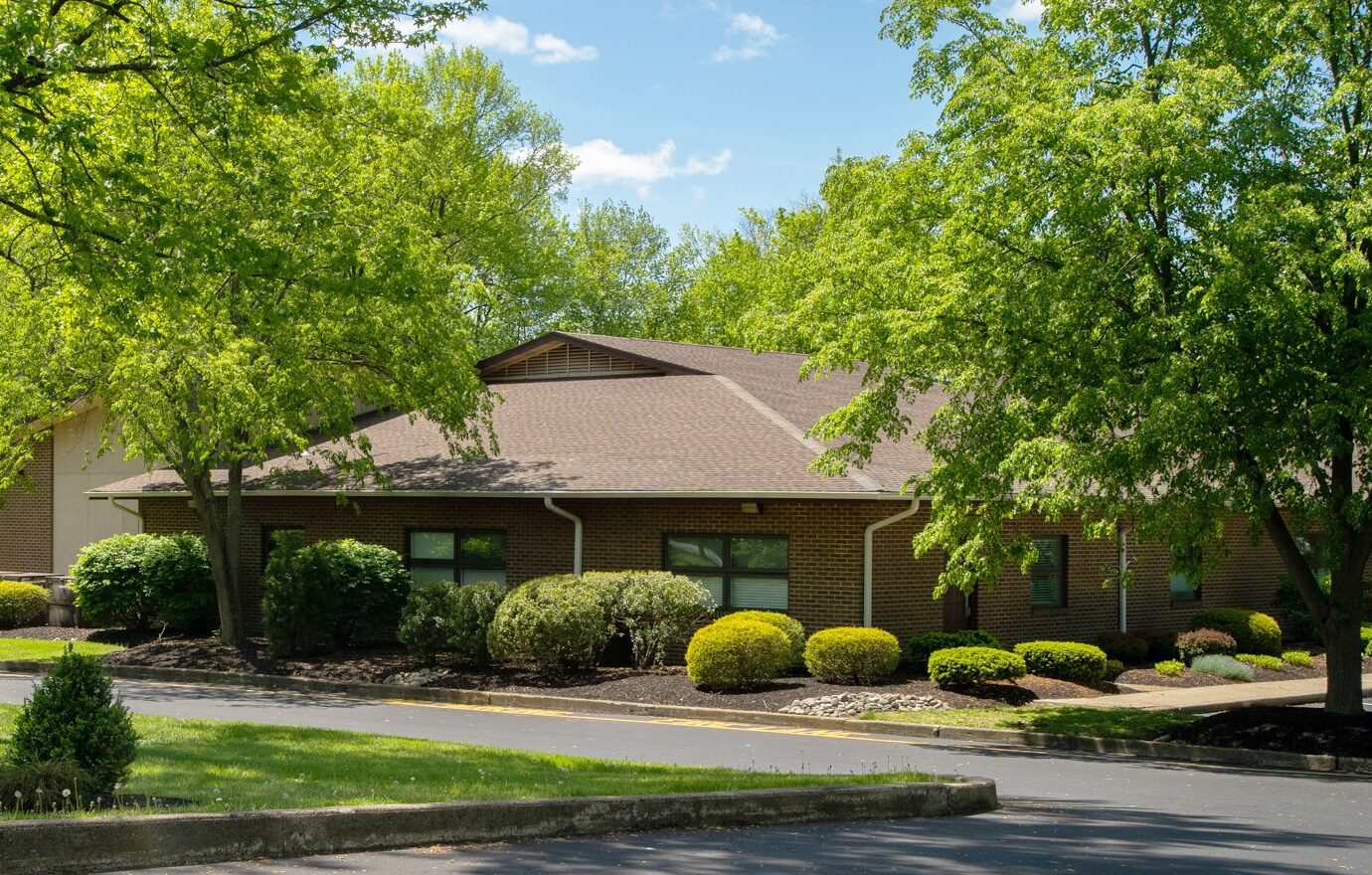
STR Bucks County
STR Bucks County provides PHP, IOP, and supportive housing for substance use disorders, mental health conditions, and co-occurring disorders in Levittown, Pennsylvania. It offers MAT at every level of care, plus LGBTQIA+-affirming care recognized by the Human Rights Campaign.


How Mental Health Treatment Works at STR
STR encourages clients to take an active role in their treatment. After an initial psychiatric assessment, the care team builds an individualized program around each client’s needs and challenges.
As clients progress, providers hold regular check-ins to review medications and therapies, and adjust as needed. This keeps each client matched with the right level of support and the most effective interventions.
Individualized care for lasting recovery.

What We Treat
STR specializes in treating adults with complex or severe mental health conditions, including those with co-occurring substance use disorders.
What to Expect From Mental Health Treatment at STR
STR’s multidisciplinary clinical team brings a wide range of therapy expertise to clients who have struggled in traditional treatment settings, including:
- People transitioning from acute psychiatric hospitalization
- Clients with complex mental health conditions
- People who haven’t responded to outpatient therapy or other treatment
- People with multiple co-occurring mental health conditions
- Clients with co-occurring mental health conditions and eating disorders
The team works together to provide individualized care for clients who need a higher level of support and specialized treatment.
Alongside individual and group therapy, STR offers a range of integrative therapies that support mental, spiritual, social, and physical health:
- Art therapy
- Meditation
- Exercise + recreation
- Nutrition therapy
- Support groups
These therapies help clients build a well-rounded foundation for recovery and support their overall health.
STR provides coordinated care for clients with both a mental health condition and a co-occurring substance use disorder, including:
- Detox + withdrawal management
- Residential dual diagnosis treatment
- Partial hospitalization program (PHP)
- Intensive outpatient program (IOP)
- Supportive housing
Treating both conditions at the same time gives clients a more complete path to recovery.
Levels of Care
Many people aren’t ready to return to everyday life right after residential treatment. A gradual step-down in care lets clients keep building and practicing new skills and coping strategies. STR’s continuum of care provides support at every stage of recovery.
Medical Detox
Medical detox provides 24/7 medical supervision, individualized care, and a comfortable, supportive setting. It’s a safe first step toward long-term recovery.
Residential Treatment
Residential treatment provides 24/7 support, evidence-based therapies, and a safe, structured community. It helps clients build a strong foundation for long-term recovery.
Partial Hospitalization
Program (PHP)
PHP provides structured, intensive treatment during the day, while clients return home or to supportive housing in the evenings. It helps clients build the skills and confidence for long-term recovery.
Intensive Outpatient
Program (IOP)
IOP provides structured therapy and support a few days a week, so clients can keep up with work, school, and family commitments. It’s a flexible next step toward long-term recovery.
Supportive Housing
Supportive housing provides a safe, sober living environment with peer support, accountability, and structure. It helps clients build independence while they continue treatment.
FAQs
Mental Health Treatment
What are mental health disorders?
Mental health disorders are medical conditions that affect a person’s thoughts, emotions, and behavior. Common examples include depression, anxiety disorders, bipolar disorder, post-traumatic stress disorder (PTSD), and schizophrenia. These conditions can range from mild to severe, and they can interfere with relationships, work, school, and daily routines.
Mental health disorders are common and treatable. They can result from a mix of factors, including genetics, brain chemistry, trauma, life experiences, and co-occurring substance use. Many people also live with more than one condition at the same time. With evidence-based treatment and ongoing support, people can manage their symptoms and build a stable, fulfilling life.
What are the symptoms of a mental health disorder?
Symptoms vary by condition, and a person with depression may have ongoing sadness, loss of interest in daily activities, and fatigue. Someone with an anxiety disorder may have constant worry, restlessness, and trouble concentrating. Because symptoms often overlap, a professional evaluation is the best way to get an accurate diagnosis.
Common signs include:
- Persistent sadness or hopelessness: Ongoing feelings of emptiness, worthlessness, or despair
- Excessive worry or fear: Intense anxiety that interferes with daily life
- Mood instability: Sudden mood swings, irritability, or aggression
- Withdrawal from others: Avoiding social contact, family, or activities once enjoyed
- Sleep problems: Trouble falling asleep, staying asleep, or sleeping too much
- Changes in appetite or weight: Eating much more or less than usual
- Difficulty concentrating: Trouble focusing, remembering, or making decisions
- Decline in daily functioning: Struggling to meet responsibilities at work, school, or home
- Thoughts of self-harm or suicide: Urges or behaviors that need immediate help. If you or someone you love is in crisis, call or text 988.
These symptoms can feel overwhelming, but effective treatment is available. Early recognition and professional care can help people manage their symptoms and build a stable foundation for recovery.
How are mental health disorders diagnosed?
A licensed clinician, such as a psychiatrist, psychologist, or therapist, diagnoses a mental health disorder through a comprehensive evaluation. The assessment usually includes a detailed review of symptoms, medical history, family background, and how symptoms affect daily functioning. Clinicians may also use standardized screening tools or questionnaires to assess symptom severity and underlying medical issues that could contribute to them.
Diagnosis follows criteria in the Diagnostic and Statistical Manual of Mental Disorders (DSM-5), which helps clinicians identify patterns of symptoms. But a diagnosis is more than a label. It gives clarity and direction for an individualized treatment plan that helps clients improve their quality of life and build stability. At STR Behavioral Health, clients receive an initial psychiatric assessment before treatment begins.
Why is treatment for mental health disorders necessary?
Mental health disorders like depression, anxiety, bipolar disorder, and post-traumatic stress disorder (PTSD) can significantly interfere with daily life when left untreated. They affect emotions, thoughts, and behaviors, which can make it hard to maintain relationships, succeed at work or school, and manage stress in healthy ways. Without treatment, symptoms often worsen and can lead to further problems, such as substance use or physical health issues.
Mental health concerns were once often minimized or treated only in a crisis. Today, evidence-based treatment emphasizes early intervention and ongoing support. Comprehensive care may include therapy, medication management, skills training, and integrative supports that address both symptoms and underlying causes. By treating mental health disorders early, clients gain the tools to manage their conditions, improve their quality of life, and sustain long-term stability.

STR is committed to providing life-changing care at every level. Here’s what members of the STR community say.
“My son got the best care and declared that he felt a more positive change than ever from attending STR Cedar Creek. The staff acutely paid attention to him, ensuring his care was tailored just for him. They went above and beyond to help meet his needs, and when he left, he felt ready … If you’re willing to do the work, I have no doubt that the amazing staff at STR Cedar Creek will help you realize your happiness and peace.”
—Grateful Parent of an Alum
Contact Us
Take the first step toward recovery. Call 855.989.5241 to speak with an admissions specialist who can answer questions and walk through next steps.
Prefer a call back? Complete the contact form, and a team member will reach out soon.
Admissions