

Co-occurring Disorders
Individualized, evidence-based treatment for adults with co-occurring substance use and mental health conditions.

Evidence-Based Dual Diagnosis Treatment in Pennsylvania
Dual diagnosis, also called co-occurring disorders, means having a substance use disorder and a mental health condition at the same time. The two are often deeply connected. STR Behavioral Health, a Joint Commission-accredited provider, offers evidence-based dual diagnosis treatment for adults with both, treating them together because lasting recovery requires care for the whole person.
Many people turn to drugs or alcohol to cope with undiagnosed psychiatric symptoms, and the cycle gets worse over time. Treating both conditions together helps clients break that cycle by addressing the root causes and the symptoms. It builds a foundation for long-term recovery and stability.
Dual Diagnosis Treatment at STR
Who We Treat
Adults (18+) of all genders
Levels of Care
Medical detox, residential treatment, partial hospitalization program (PHP), intensive outpatient program (IOP), supportive housing
Payments Accepted
Commercial insurance, private pay
Medicare/Medicaid
Not accepted
Treatment Locations Across Pennsylvania
STR Behavioral Health offers dual diagnosis treatment at locations across Pennsylvania. Residential programs provide 24/7 support. Outpatient programs offer PHP and IOP with the flexibility to keep up with daily life.
-
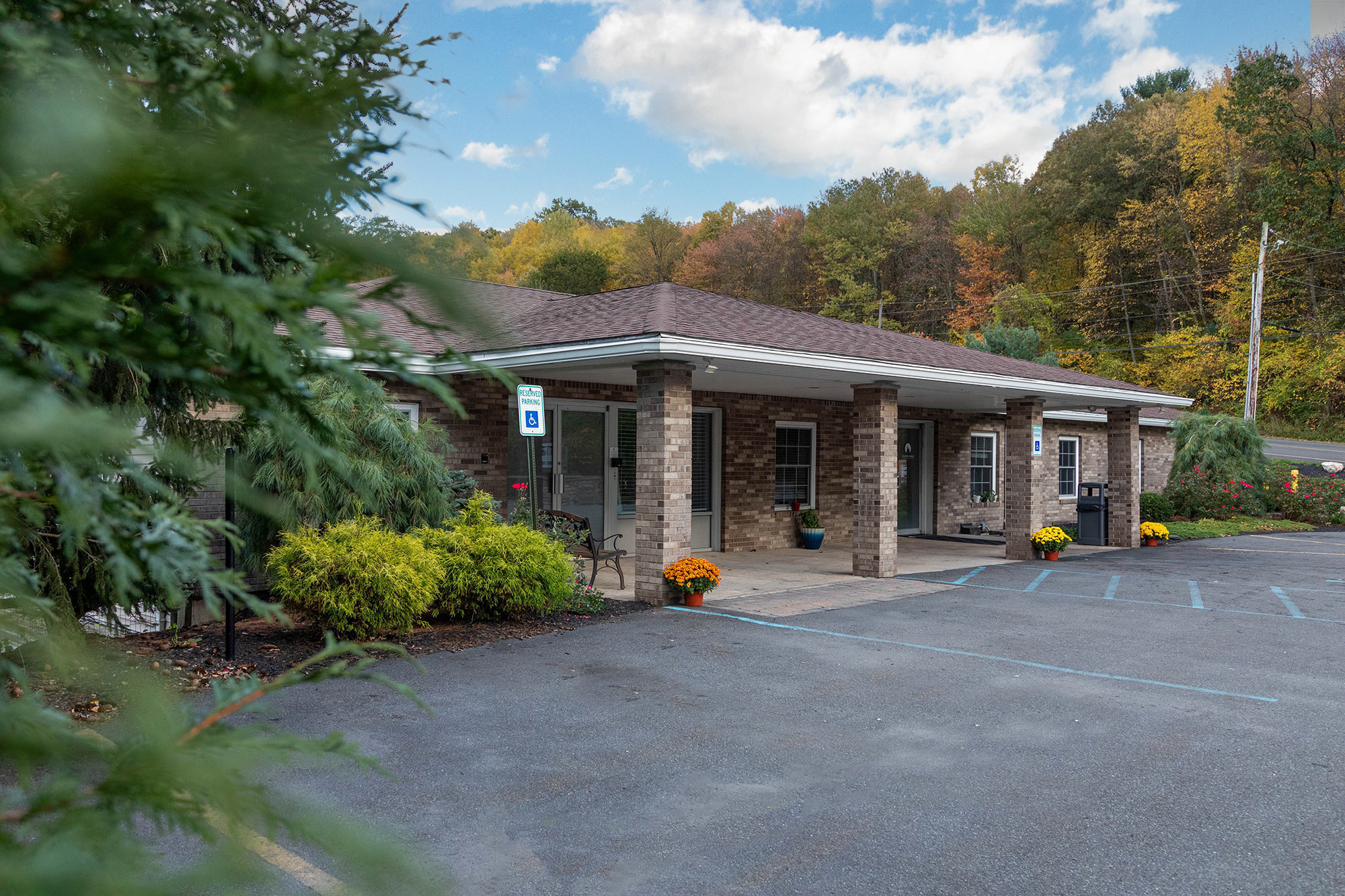
STR Silver Pines
STR Silver Pines provides medical detox and residential treatment for substance use disorders, mental health conditions, and co-occurring disorders in Mahanoy City, Pennsylvania. It offers 24/7 clinical support and the Overwatch program for veterans and first responders.

-
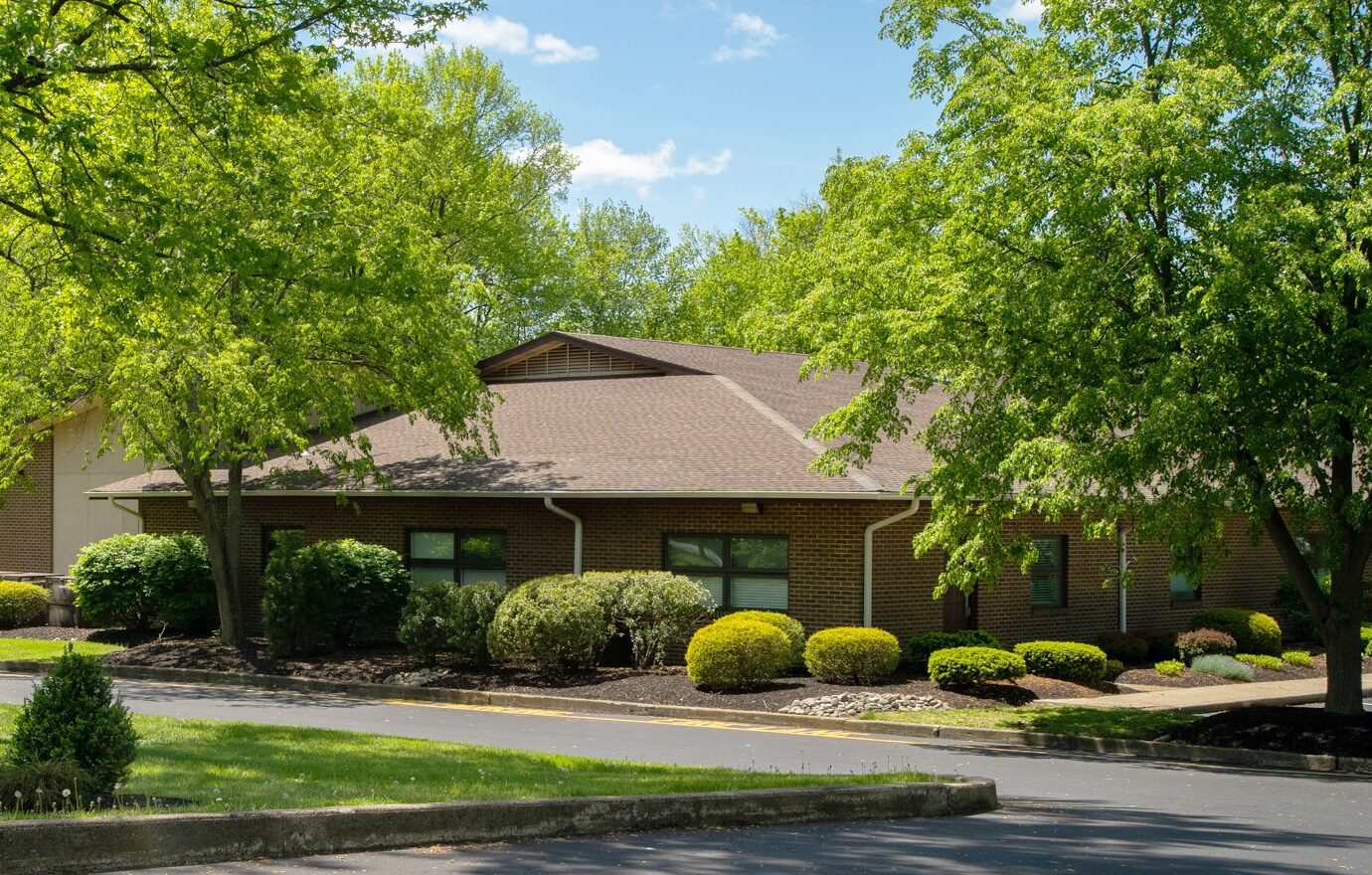
STR Bucks County
STR Bucks County provides PHP, IOP, and supportive housing for substance use disorders, mental health conditions, and co-occurring disorders in Levittown, Pennsylvania. It offers MAT at every level of care, plus LGBTQIA+-affirming care recognized by the Human Rights Campaign.
-
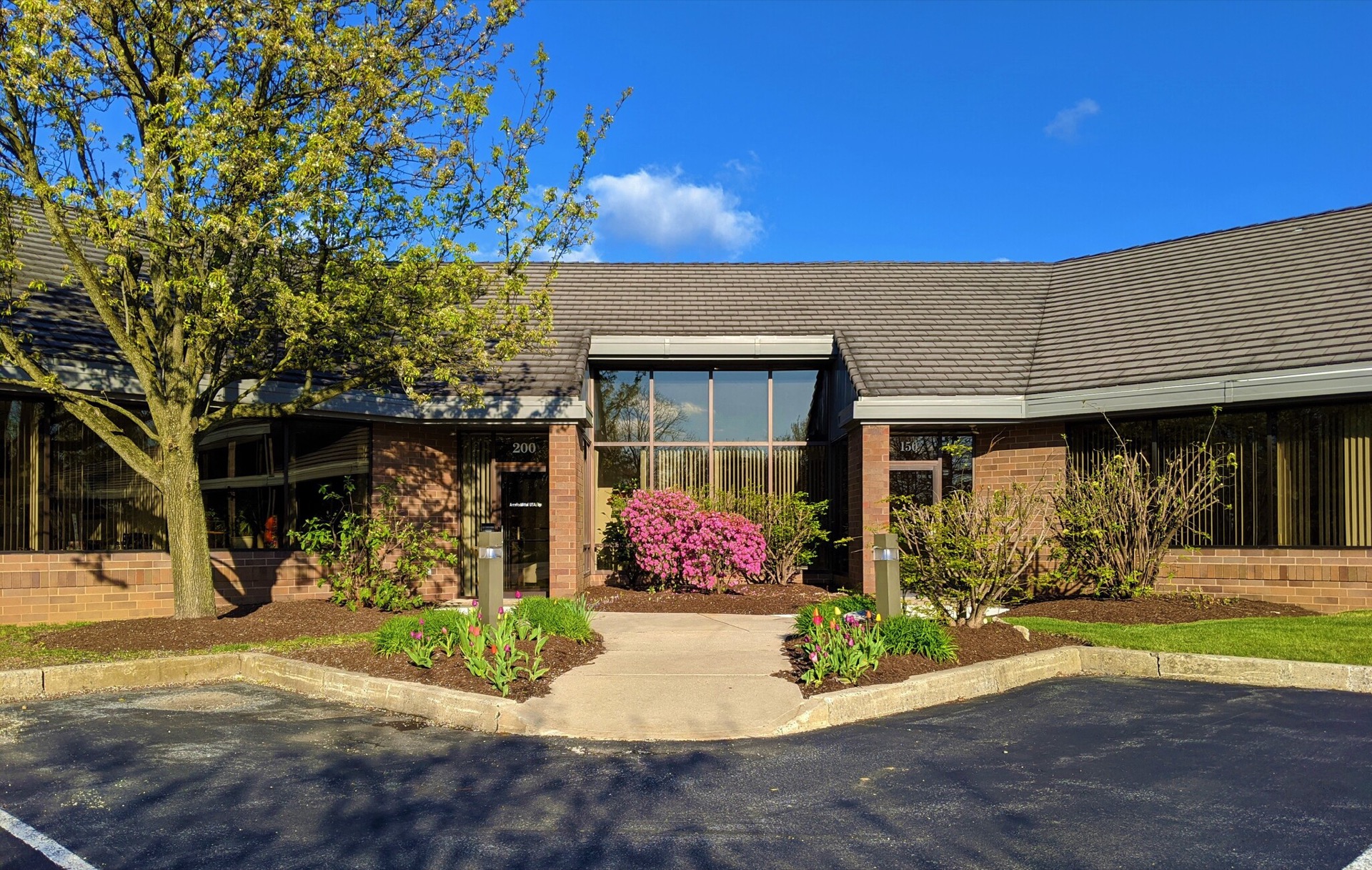
STR Lehigh Valley
STR Lehigh Valley provides PHP and IOP for substance use disorders, mental health conditions, and co-occurring disorders in Bethlehem, Pennsylvania. It offers MAT at every level of care, plus LGBTQIA+-affirming care recognized by the Human Rights Campaign.
-
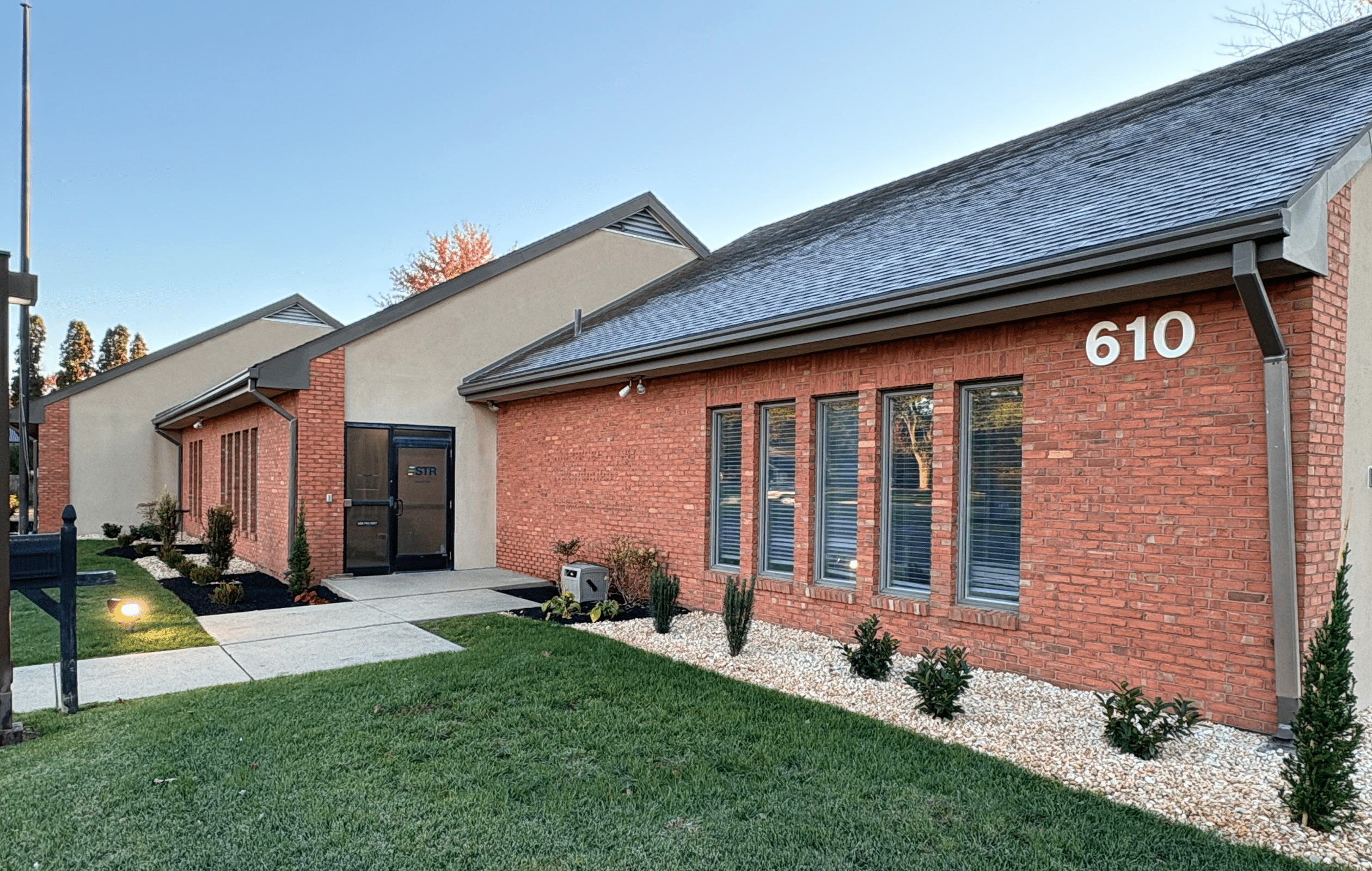
STR Lancaster
STR Lancaster provides PHP and IOP for substance use disorders, mental health conditions, and co-occurring disorders in Lancaster, Pennsylvania. It offers MAT at every level of care, plus a dedicated LGBTQIA+ community support group.
-
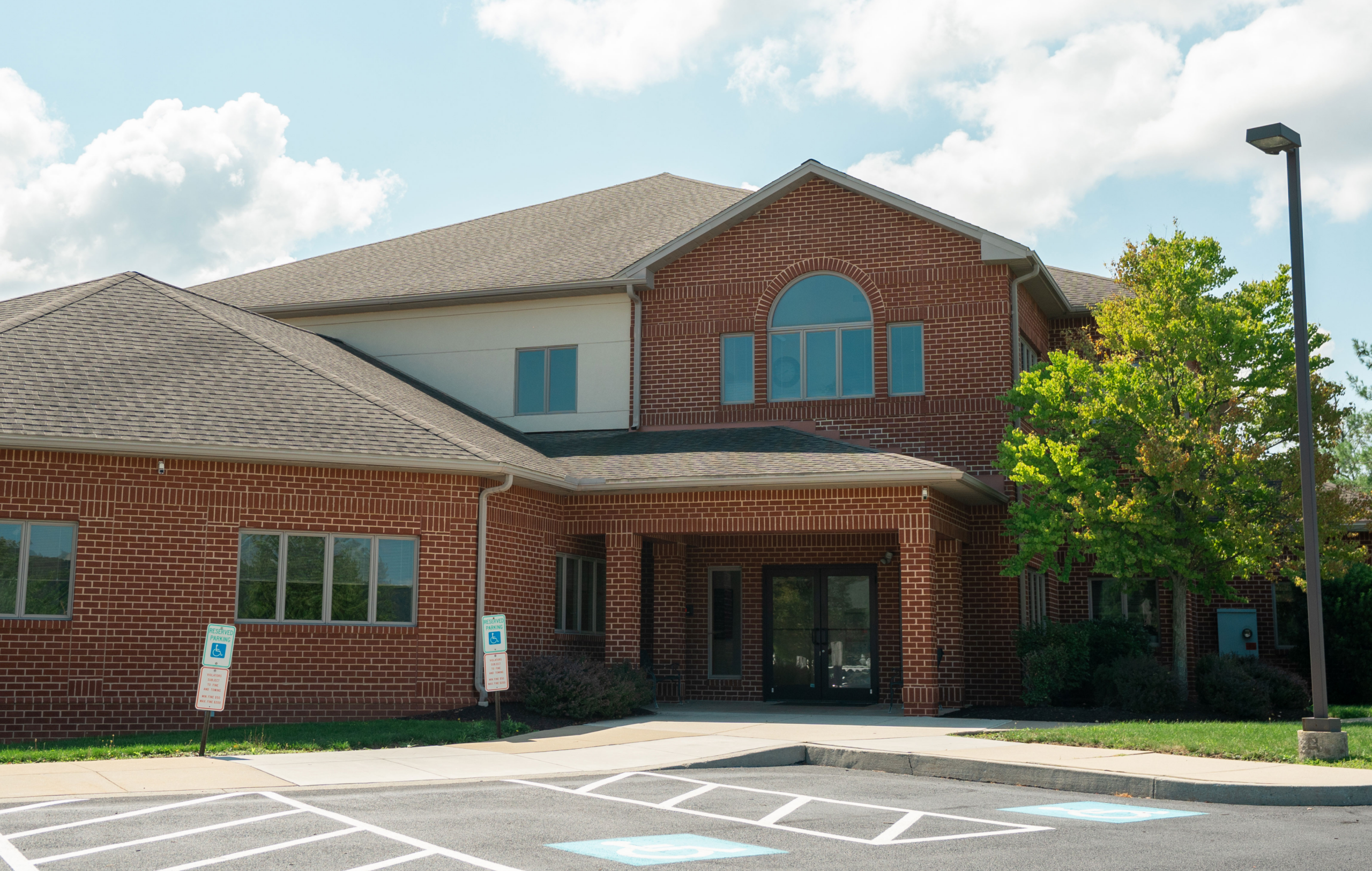
STR Harrisburg
STR Harrisburg will provide PHP and IOP for substance use disorders, mental health conditions, and co-occurring disorders in Harrisburg, Pennsylvania. It will offer MAT at every level of care.
-

STR Exton
STR Exton will provide PHP and IOP for substance use disorders, mental health conditions, and co-occurring disorders in Exton, Pennsylvania, serving Chester County. It will offer MAT at every level of care.
How Dual Diagnosis Treatment Works at STR
As a dually licensed provider, STR Behavioral Health delivers coordinated care for clients with both substance use and mental health disorders. Expert clinical teams work with each client to build an individualized treatment plan that addresses emotional, psychological, and physical needs.
Medically supervised detox provides safe stabilization and sets the foundation for therapy that targets both substance use and underlying mental health challenges. As clients move through treatment, the team reviews progress and adjusts care plans to support long-term recovery, personal growth, and lasting change.
Individualized care for lasting recovery.

What We Treat
STR’s dual diagnosis program treats substance use and mental health disorders together, with individualized care for lasting recovery.
Levels of Care
STR’s continuum of care provides step-by-step support for clients with co-occurring disorders, from medical detox and stabilization to residential treatment and structured outpatient programs. Each level meets clients where they are and helps them build toward long-term recovery.
Medical Detox
Medical detox provides 24/7 medical supervision, individualized care, and a comfortable, supportive setting. It’s a safe first step toward long-term recovery.
Residential Treatment
Residential treatment provides 24/7 support, evidence-based therapies, and a safe, structured community. It helps clients build a strong foundation for long-term recovery.
Partial Hospitalization
Program (PHP)
PHP provides structured, intensive treatment during the day, while clients return home or to supportive housing in the evenings. It helps clients build the skills and confidence for long-term recovery.
Intensive Outpatient
Program (IOP)
IOP provides structured therapy and support a few days a week, so clients can keep up with work, school, and family commitments. It’s a flexible next step toward long-term recovery.
Supportive Housing
Supportive housing provides a safe, sober living environment with peer support, accountability, and structure. It helps clients build independence while they continue treatment.
FAQs
Dual Diagnosis Treatment
What is dual diagnosis?
Dual diagnosis, also called co-occurring disorders, means a person has a substance use disorder and a mental health disorder at the same time. Research shows that about 1 in 4 people with a serious mental health condition also have a substance use disorder.
The two conditions are so closely linked that it can be hard to tell which came first. Many people use drugs or alcohol to cope with mild or moderate symptoms before they ever receive a psychiatric diagnosis. Over time, substance use often makes mental health symptoms worse. People with a genetic risk for certain psychiatric disorders may also find that substance use speeds up the onset of those disorders.
Both conditions share common risk factors, including genetics, brain development, chronic stress, and childhood trauma. Because each can worsen the other, people with a dual diagnosis often have more severe symptoms than those with a single disorder. Finding and treating the connection between the two is key to effective treatment and lasting recovery.
Which mental health disorders commonly co-occur with substance use disorders?
Several mental health disorders commonly occur alongside substance use disorders, including:
- Depression
- Anxiety disorders
- Bipolar disorder
- Post-traumatic stress disorder (PTSD)
- Borderline personality disorder (BPD)
- Schizophrenia
Some people use drugs or alcohol to cope with symptoms, and substance use can also trigger or worsen mental health conditions. Because the two can look alike, a thorough evaluation is important. Understanding how these conditions interact is key to effective treatment and recovery. Treating both together leads to more complete care and better outcomes.
What are the symptoms of a dual diagnosis?
Symptoms depend on the mental health condition and the substance use disorder involved. For example, a person with bipolar disorder may have major mood swings and shifting energy levels, while someone with depression may lose interest in activities they once enjoyed or have trouble sleeping. Because the symptoms often overlap, a professional assessment is the best way to find out what’s going on.
Common signs include:
- Treatment that hasn’t worked: little success with past substance use or mental health treatment
- Social isolation: pulling away from friends and family
- Trouble with daily functioning: difficulty keeping up with routines and responsibilities
- Risky behavior: engaging in dangerous or illegal activities
- Mood instability: mood swings, irritability, or aggression
- Increased tolerance: needing more drugs or alcohol to feel the same effect
- Escalating substance use: using more often or in larger amounts over time
- Sleep problems: trouble falling or staying asleep
- Relationship struggles: difficulty keeping up personal relationships
If you or someone you love is in crisis, call or text 988.
Why is dual diagnosis treatment necessary?
Dual diagnosis treatment is essential because substance use disorders and mental health conditions are often deeply connected. The most effective care treats both at the same time, with a coordinated team of providers.
In the past, people with both conditions often received separate treatment for each, with little focus on how the two affect each other. Integrated treatment recognizes that connection and addresses it directly.
This approach includes:
- Skill building: real-world skills to manage triggers and change the behavior patterns that lead to relapse
- Detox + stabilization: safe management of drug or alcohol withdrawal symptoms
- Therapeutic interventions: group, individual, and family therapy to explore the root causes of both conditions
Treating both conditions together gives clients a stronger foundation for lasting recovery.

STR is committed to providing life-changing care at every level. Here’s what members of the STR community say.
“My son got the very best care and declared that he felt a more positive change than ever before from attending STR Cedar Creek. The staff acutely paid attention to him making sure that his care was tailored just for him. They went above and beyond to help meet his needs, and when he left he strongly felt that he was ready … If you’re willing to put in the work, I have no doubt that the amazing staff at STR Cedar Creek will help you realize your happiness and peace.”
—Grateful Parent of an Alum
Contact Us
Take the first step toward recovery. Call 855.980.5241 to speak with an admissions specialist who can answer questions and walk through next steps.
Prefer a call back? Complete the contact form, and a team member will reach out soon.
Admissions